
Books are playing a larger role in toddlers’ lives
Date: April 27, 2026
Do parents read to their children more often than they did 25 years ago? Has toddlers’ interest in books changed over time? The data from the Growing Up in Québec study provide some answers.
(in French only)
In our social media
Social media posts are in French only.

Follow us on Facebook and LinkedIn.


Previous News
Date: April 1, 2026
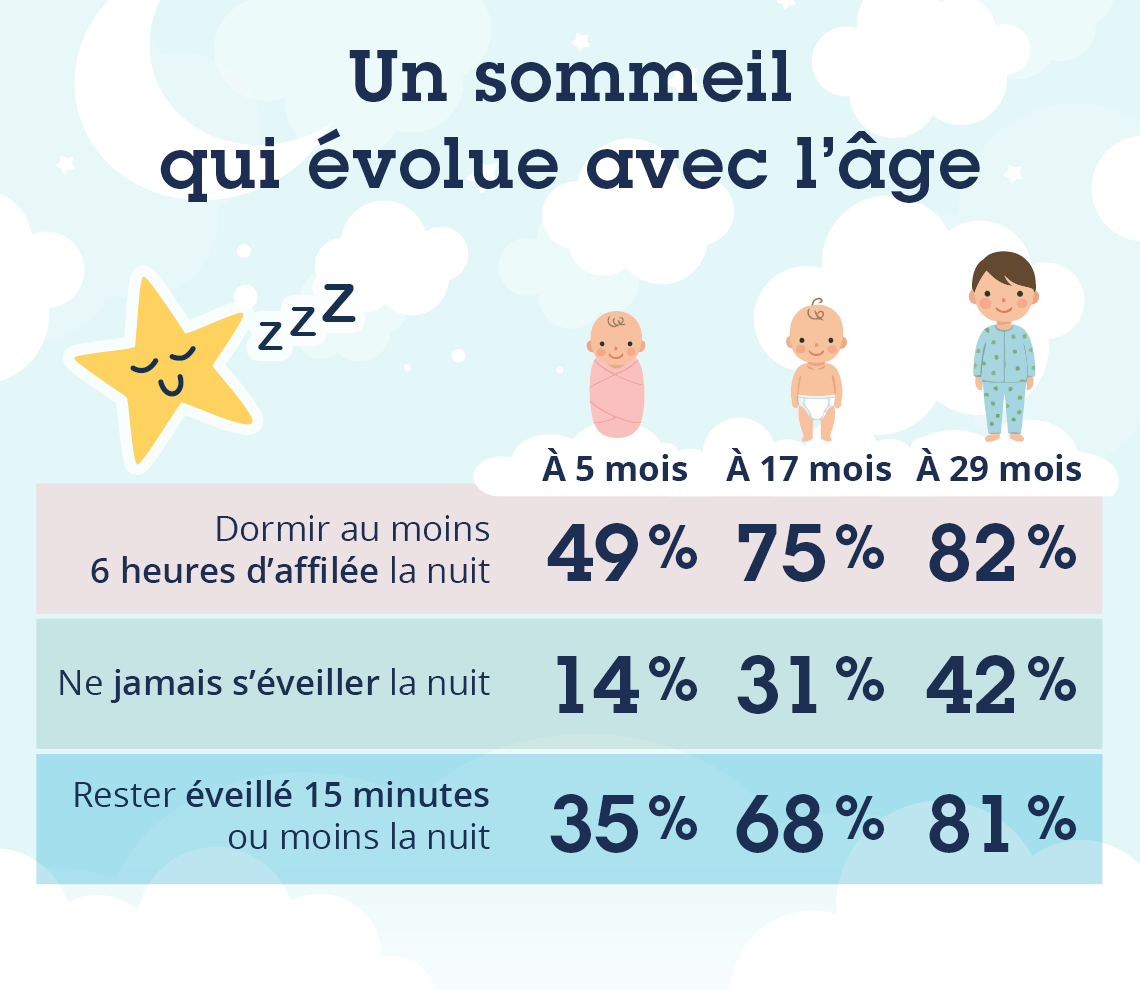
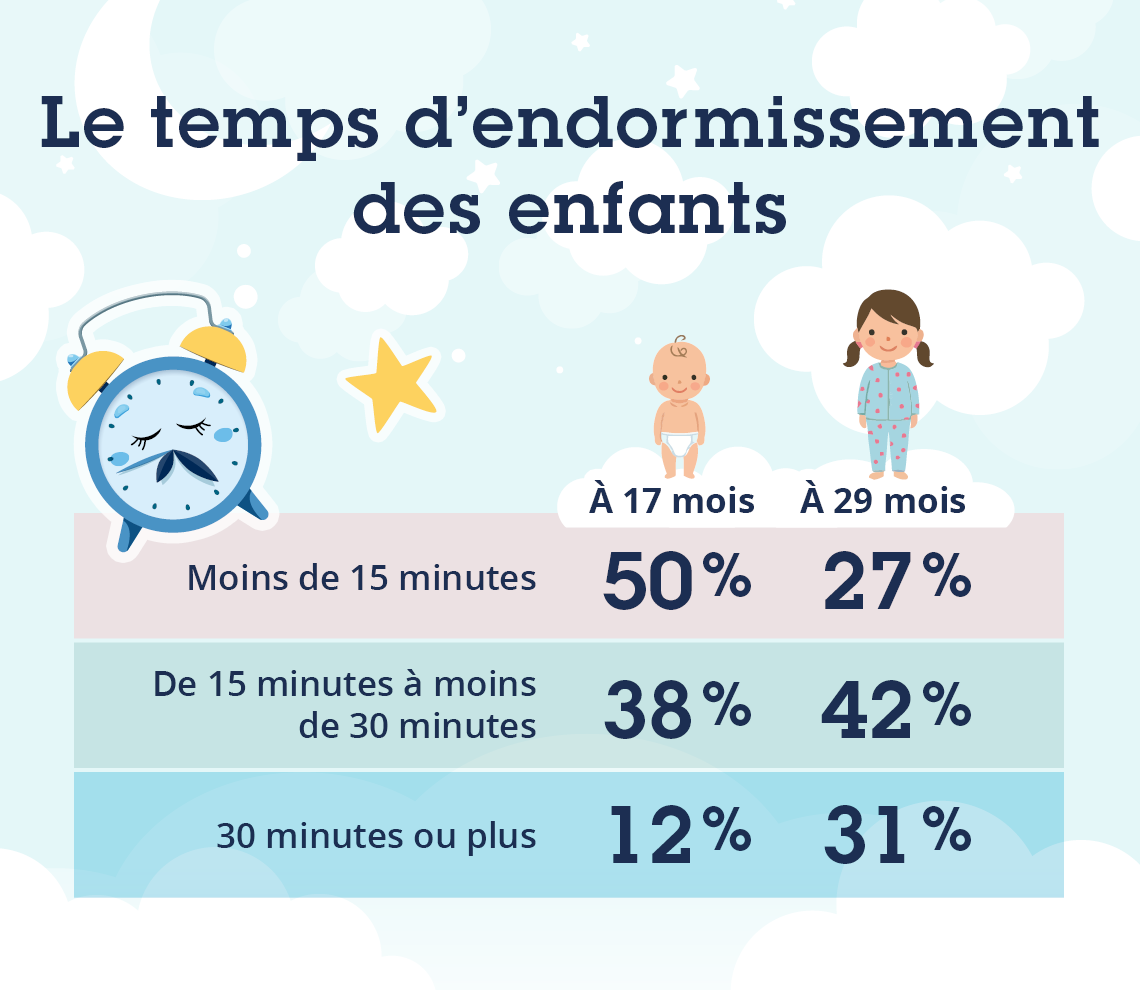
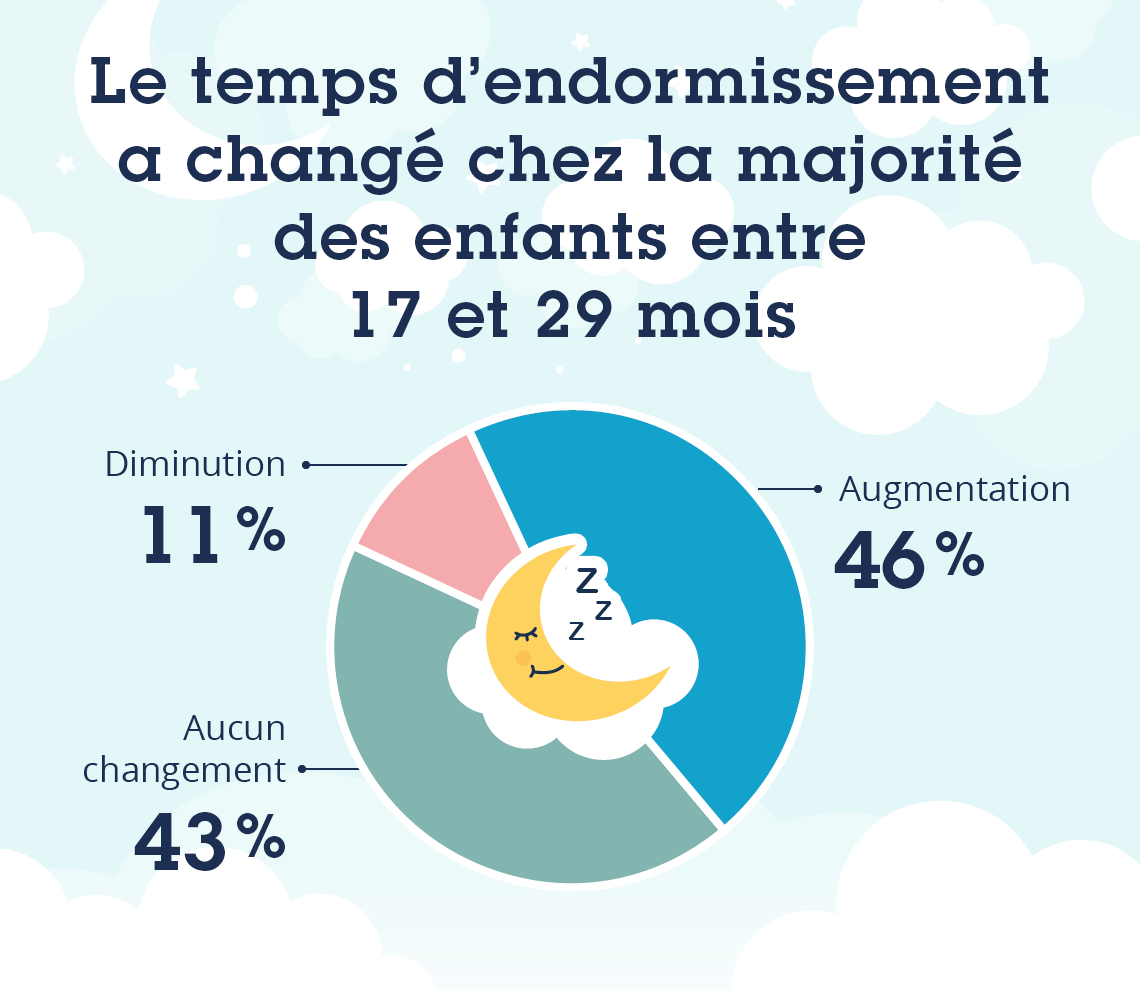
Are toddlers getting enough sleep? How has their sleep changed between the ages of 5 and 17 months? The data from the Growing Up in Québec study provide some answers.
(in French only)
Date: December 19, 2025
Our study website got a makeover! It now has a modernized design and a sleeker, more user-friendly interface. Our team is happy to present it to you. Browse through the different sections to find all the information you need.
Date: October 30, 2025
Thanks to your participation, results on childcare attendance among toddlers are now available (in French only).
These results show that 83% of children were in childcare at the age of about one and a half years, that children started childcare at 10.8 months on average, and that 53% of children in childcare had at least 4 infections between the ages of 5 and 17 months. Is your child among the 10% who did not have any infections during that period?
Did you know that Growing Up in Québec is the second edition of the study? The first edition, called I am, I’ll be, follows a cohort of children born in 1997-1998 and is still ongoing. In 1999, 56.7% of children aged about 17 months were in childcare.
The latest results of I am, I’ll be highlight the links between school climate in high school and access to college education (in French only).
Date: June 30, 2025
Thanks to your invaluable contribution over the years, the first data on toddlers’ sleep is now available. Learn more about the sleeping habits of Québec children from the age of 5 to 17 months (in French only).
Many thanks from the entire Growing Up in Québec team!
Here are other highlights published in the past year that you may be interested in:
- Infant health, diet and sleep
- Parental behaviours, relationships, and health and well-being (in French only)
- Parents’ perinatal experiences (in French only)
Date: Summer 2024
On a busy day filled with 12 presentations, QLSCD data continued to inspire researchers and to show how important they are to current public policies. A participant from the first edition of the study—now a PhD student in psychology—attended the day’s presentations. She took this opportunity to testify to the impact of QLSCD on her life over the past 26 years: “I clearly remember ISQ interviewers coming to my home when I was younger. I still answer the questionnaires today because I know it’s useful.”
To learn more about the first edition of the QLSCD, visit the I am, I’ll be website.
Date: April 2024
The families of babies born in Québec in the early 2020s seem to be in a better economic situation than the families of babies born in the late 1990s. At the age of about 5 months, babies born in 2020–2021 were less likely than babies born in 1997–1998 to be living in low-income households (21% vs. 26%) and more likely to be living in homeowner households (67% vs. 59%). The proportion of babies whose mother was working when their child was about 5 months of age has decreased significantly, from 17% in 1998 to 4.7% in 2021–2022. This decline is partly due to the implementation of the Québec Parental Insurance Plan.
These are some of the findings from Le milieu de vie des bébés, the first report based on the longitudinal study Growing Up in Québec released by the Institut de la statistique du Québec (ISQ). This large-scale study is following more than 4,000 children born in 2020–2021 until they reach adulthood. Its objective is to better understand what can influence the development and well-being of Québec children. A first edition of the study was conducted among children born in 1997–1998, which means it is now possible to compare the reality of two cohorts of children born approximately 25 years apart.
Read the highlights (in French only)
Read the full report (PDF in French only)
Learn more about QLSCD 1 (website of the first edition of the study)